Showing posts with label Canada. Show all posts

Wednesday, July 29, 2015

Housing in Atlantic Canada. Renting your home


Source:www.capsure.com

Renting your first home in Canada: Let´s start with the words we will use:

Landlord is the person who owns the house you want to live in. Sometimes, if she/he is the owner of some houses or buildings, he hires a "property manager" to collect the rent, manage the building, keep your building in good condition  and answer all your petitions.

Tenant: That is you. The person who will rent the house. 
Whenever anything needs to be serviced or repaired you should contact the landlord
Depending on the province you are living in, your responsabilities  are different. You can check yours in this website: http://www.cmhc-schl.gc.ca/en/co/reho/yogureho/fore/index.cfm.


Finding a place to rent:
Location and cost are often important things to evaluate when you are looking for a place to live. Neighbourhoods close to schools, public transit, hospital and other services might be more expensive, but they can also save you time and money everyday when you go to work or school.

You should visit the place you are interested in, at different times of the day and during the week and in a weekend. Sometimes, you can get suprised of how a neihgbourhood changes!
Look at a different houses or apartments before you decide. That way, you can compare the rent you will pay and make sure the place is right for you. 

Source:www.realtor.com

Questions you can ask your landlord when viewing a rental unit or a house: 
  • Which utilities (as electricity, heat, water, cable) and appliances (as fridge, stove, washing machine/dryer) are included in the rent? If they are not, How much do they cost each month?
  • Does the apartment come with furniture?
  • Can I make any change to the home, such as painting?
  • Can I have pets?
  • If you are a smoker, can I smoke in the house?
  • Is parking available? Is it included in the rent ?  Does it cost extra?
  • Is there any place for storage? Is it included? How secure is it?
  • What are the other tenants like? Families, students, old people?
  • What happens if I am not able to pay you the first day of the month?
  • Which are the rules for garbage, recycling, ...in the building?

Questions your landlord can make to you:
  • He can ask you to provide contact information for references (a past landlord or your employer) who can confirm that you will be a good tenant.
  • He can also ask you where you work and what your income is
Source:www.rentalhousingbusiness.ca

If you get an agreement with your landlord, both of you should sign a lease.  A lease is a legal document, a written rental agreement that outlines all the terms you have agreed to. Make sure you read and understand every word, 

The landlord will ask you for a rental deposit when you sign the lease. The deposit is usually equal to the cost of one month´s rent. He can use it in case you don´t pay the rent or to cover any damage you cause to the apartment. When you move out, he will give the deposit back or it can be used to pay your last month of rent. 


Paying the rent:
You will have to pay the rent to your landlord the first day of every month, You can choose between these ways: 
  • Cash
  • Post-dated cheques. Cheques with a future date already written on them. For example, with the first day of each month for the next twelve months.  He can cashed them before the date written on them and you can cancel cheques that have not been cashed by calling your bank. 
  • Certified cheques. Cheques that have been guaranteed by your bank. 
  • Transfer


If you want to get more information you can check with Rental authorities in New Brunswick: New Brunswick Office of the Rentalsman: www. snb.ca/irent
Telephone: 1-506-453-2557

We will talk about buying a house here in next posts.
Enjoy!


Tuesday, July 21, 2015

Housing in Atlantic Canada. Types of Houses.


Source: Nane


Looking for a home can be a very exciting experience that can be both rewarding and challenging.

One of your first needs after arriving here is a temporary place to stay until you find your home. 
You can go to a friend´s or family´s house but another option is to stay in a hostel or a hotel. If that is the case, you should book it several weeks before flying to Canada. Booking in advance, will save you money and you will have a better chance of finding rooms available. 

An alternative to this is to contact an immigrant-serving organization in the city or town where you want to settle down.  You can find contact information at: www.cic.gc.ca/english/newcomers/map/services.asp
If you are a refugee, you will receive assistance finding temporary acccommodation as part of the Resettlement Assistance Program.


Types of Housing in Canada:

Condominiums (condos): "Condominium" is a legal term used in the United States and in most provinces of Canada In Quebec, the term "divided co-property" (Frenchcopropriété divisée) is used, although the colloquial name remains "condominium". 
Usually, condos exist in buildings with many units. The owner pays monthly fees to a condo corporation that handles maintenance and repairs as required. Condominiums can be a good choice for first time homebuyers because they are usually one of the less expensive options

Rental Apartments: ("flats" in British English). An Apartment is a unit in a building or a house. Most apartments have one/two/three bedrooms. 
But, if you see an advertisement and it says something about "Bachelor"units, it refeers to a single room that can be used as a living area and bedroom. 

The difference between an "apartment" complex and a condominium is purely legal and there is no way that you can say which is which by simply looking at the building.  When we talk about apartments, they are in a building owned by the same person. However if we talk about "condos" we are talking about units owned by different people sharing common areas.


Rental Rooms: Large homes are sometimes divided into several private bedrooms that are rented to individuals who share a kitchen and bathroom. That is the kind of house students usually have. They are cheaper than the rest of the options. 


Houses: There are detached houses with surrounding property as well as semi-detached and townhouses where each house shares a wall with another. 


Which one do you like most? ¿Which one suits your neccesities? ¿Central located and close to public transportation or do you prefeer one in the country? It is your choice!

In next posts, we will talk about renting and about buying your first home in Canada. 

Enjoy!


Wednesday, July 15, 2015

Money and finances.Debit and Credit Cards in Canada (2 of 2)


Credit card
Source:www.psdgraphics.com
Continuing with what we saw last week, let´s talk about debit and credit cards.

When DEBIT is the Best Option:
  • When the vendor o the other part needs the money inmediately. It is the fasted method of payment 
  • When you want to control the amount of money you spend. You can use your card as much as you want, but only up the amount you have in your account. This way, you won´t have to pay interest for purchases made in the heat of the moment. 
  • When you want the best exchange rate for a foreign currency. If you are planning a trip outside your country, you can exchange some money but the best way to save the fees the bank usually charges is to withdraval money from the ATM.

creditcards
Source: www.mybudget360.com

When CREDIT is the best Option:
Credit cards are not for people with hard time managing their money. But sometimes, they can be a good election because you are usually more protected from identify theft, and disputes are resolved quickly without you having to pay to get your money back.

Situations to use credit over debit:

1.-Improve one´s credit rating. If you want to build your credit history, you should use your credit card. Debit card transactions are not usually reported to the major reporting agencies 
You will need your credit history for a lot of things you wouldn´t even think: i.e. get a monthly plan with a telephone company, ... so your strategy with your  credit card should be to make small purchases regularly and pay them off immediately. This shows the institution that gave you the card that you can responsibly pay back your credit balances
In Canada, having a strong credit history is really important — it can make it much easier to make important financial transactions in the future, specially for:
  • Getting a mortgage for a house.
  • Getting a loan for personal expenses.
  • Getting good deals on new credit cards.
2.-Online purchases: It is much harder to get a refund using a debit card than if it is with a credit card


3.- Renting a car. Most major credit cards offer an auto rental collision damage waiver. In addition, several major car rental companies do not accept debit cards as a form of payment

4.- Travel related purchases.You may need a credit card when you make a travel reservation.  And some companies, give you insurance when you book a trip with your credit card.

5.- Rewards. Some credits cards give you points/cashback when you pay with them, and you can get items, shopping cards, miles to travel...  


If you want more information about cards and montly payments, visit: Credit card payment calculator tool

Think which is the best option for you and be careful with your credit!

Wednesday, July 8, 2015

Money and finances.Debit and Credit Cards in Canada (1 of 2)


source:www.versusbattle.com


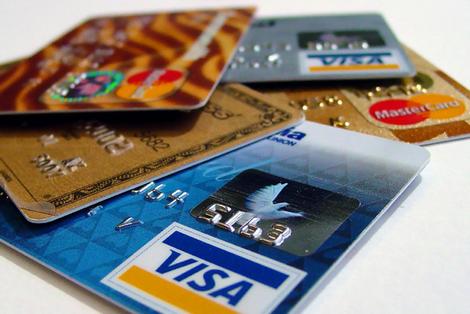
Debit and credit cards, offer a way to access money without having to carry cash. They are accepted in most places and are a popular form of payment in Canada.

Debit cards are linked to your bank account (usually a checking account) and money is withdrawn from the account as soon as the transaction happens. You have to be sure you have sufficient funds in your account when you use direct payment.
They are usually free, and you can also withdrawn cash from the ATMs with them.

Credit cards offer a line of credit that is interest free if the monthly bill is paid on time. With most credit cards, you have to pay an annual fee, but you can collect some points/cashback when using them. 
Credit cards can be useful and convenient. In Canada, they are used to purchase almost everything, but it is easy to overspend and have to pay a very high interest rates.

There are many types of credit cards offered by financial institutions. To compare the features and the cost of them, go to: www.itpaysto know.gc,ca (financial consumer agency of Canada) and use the Credit card selector tool.

Make sure you understand all the terms and conditions: interest you must pay, how it is calculated, annual fee, minimum montly payment, how to make a complain if you have a problem with your credit card...

Comparison 
debit card  credit card
concept money is directly deducted from your account You are using a line of credit 
you should pay in full unless you want to be charged with interest
monthly bill  no.  yes
asking for it easy depends on your credit, income…
limit the amount you have in your account  Set by the bank. Depending your creditworthiness 
interest zero. It is your money what you are spending If you don´t pay the full bill, you will have to pay high interest (+-19%)
credit history It doesn´t affect. There is no credit here! Payments can improve one´s credit rating 

In next post, we will talk when debit /credit is the best option.

Take care!

Friday, July 3, 2015

Come to our city, Saint John!

Source: Nane

We can´t wait to share "our" city with you. Are you ready?

Saint John (don´t get confused with Saint John´s in Newfoundland) is said to be Canada´s oldest city, let,s talk a bit about its

History

Saint John became a leading industrial centre in the nineteenth century, especially due to its shipbuilding trade.  The city quickly grew, with a big  influx of immigrants  during the Irish famine of the 1840’s, adding ‘Canada’s most Irish City’ to its list of names.

In 1877, there was a Big Fire that almost devastated the whole city. At that time, most of the houses were made with wooden structures, so the fire spread out quicky and it destroyed over 80 hectares. 
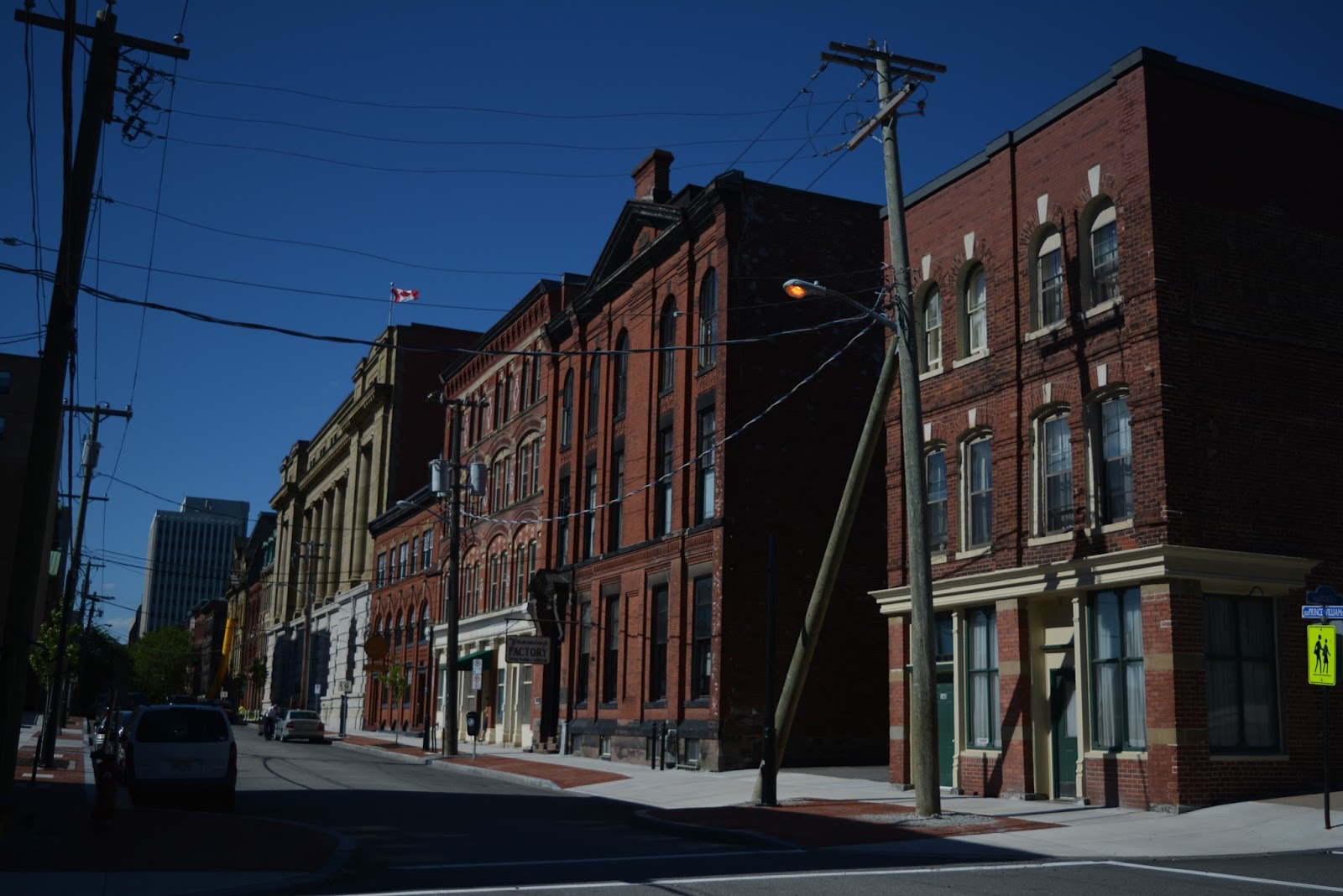
Architects from Chicago and Boston, came here to build new houses accordingly with the ones they had in their cities (made of brick and stone). That's how uptown Saint John came to have the largest and richest collection of turn-of-the-century architecture in all of Canada: A unique heritage of Victorian housing.

Source: Nane
Geography
Saint John is the biggest city of the province of New Brunswick. It is situated in the south-central portion of the province, by the sea, and surrounded by rivers: 

  • Saint John river has 400 km (250 mi.) of water, stretching from Edmundston in the north to the Reversing Rapids in the south. 
  • Kennebecasis River   runs for approximately 95 kilometres
The harbour is home to a terminal for cruise ships as well as being a fairly busy home for various container ships.

In Saint John the height difference from low to high tide is approximately 8 metres (28 ft) due to the funnelling effect of the Bay of Fundy as it narrows. The Reversing Falls in Saint John, an area of strong rapids, provides one example of the power of these tides; at every high tide, ocean water is pushed through a narrow gorge in the middle of the city and forces the Saint John River to reverse its flow for several hours. It is a unique phenomenon.

Buildings:
We would bring your attention to:
Source: www.tourismnewbrunswick.ca
The  City Market. Canada´s oldest continuing farmer´s market. Its roof reflects the shipbuilding past, resembling a ship´s inverted hull. It is the epicenter of the city, where you can find fresh groceries, places to have lunch, artists selling their products, crafts,...

Saint John Free Public Library: Big, Complete, offers lots of programs, free computer access and the facilities are amazing.
Source: Nane

Germain StThis street is the best example of the Victorian buildings we were talking about earlier. And it has several churches.
Source: Nane


The Imperial Theatre. It’s worth the visit just to see its carefully constructed plaster moldings and beautiful ceiling. Give them a call, and you can even arrange for a behind the scenes tour.


Source: http://discoversaintjohn.com


Boardwalk: Located in the heart of Uptown Saint John, those pubs host free festivals and events each and everyday all summer long.
Source: Nane

The principal buildings are connected by an easily accesible pedway system. So, if it is really cold, raining or snowing, you won´t have to go outside!
Source: Nane

Museums:
New Brunswick Museum: You can see a full size whale and a mastodon.
Other museums: Saint John Jewish Historical Museum, St John Firefighters´Museum, St John Police Museum...

Parks:
King´s Square: Nice Park in the middle of town. Lots of places to sit, shady, and great place to people watch.

Rockwood Park. It has more than 55 trails, 13 manmade lakes and you can hike, fish, boat, climb, golf, mountain bike, horsebak ride...or just enjoy the nature.
Rockwood Park.
Source: Nane

Irving Nature Park. It is s a 600-acre peninsula of volcanic rock and forest,  between the open sea and a wide extension of tidal salt marsh.  Home to many types of migratory and marine birds, the park offers  walking trails and amazing views of this precious ecosystem. The park is a Bay of Fundy “Recommended Experience” and is provincially designated a “Top 10” attraction


Saint John is one hour drive from the US border at Calais, Maine, 8 hours drive from Boston, Massachusetts. 7 hours drive from Quebec City, Quebec and 9,5 hours drive from Montreal, Quebec.

Want to come to visit us?

Wednesday, July 1, 2015

Happy Canada Day!!! July 1st


                                                                             Source: Nane

On July 1st, we celebrate the Canada Day. It is not like Independence day in Brazil, but yes,at least in my town we have parade with military musical band, Canadian and representative of  the the existing cultural communities associations. Then at night there is a show and fireworks.


Source: Sil


What do we celebrate? Well I will not go to mention the history behind the celebration, but for me and probably many immigrants is the day our achievements in Canada, freedom and security.

As Nane remind me, there is no rule for this day. For example, during thanksgiving the gathering is with your family eating turkey, while on July  1st, you can do whatever you want. Just rest, go to parks to or the beach for a picnic... and for sure do a BBQ. You can also check the free local activities in your community (museum, historical sites, ...). 

Wednesday, June 24, 2015

Money and finances. Opening a Bank Account


Source:getsmarteraboutmoney.ca
If you are thinking about coming to Canada, you have to take into account that you will need some money to support you during your first months. There will be a lot of initial expenses while you settle and look for a job. You have to pay your accommodation, food, and buy household items. So.. let´s talk about money!

Currency: 
Canada´s official currency is the Canadian Dollar ($). There are 100 cents in a dollar. And all paper money is printed by the Bank of Canada in the same size, but each bill has a different colour as you can see in the picture below
Source:newcanadianmoney.ca

Before coming, you can change some money from your country to Canadian dollars. So, you will be able to pay for the things you will need from the moment you arrive. You can also exchange money after you arrive (i.e. in the airport, but it is usually more expensive) or you can get cash from automated banking machines using your foreign debit or credit card.  You should check with our bank which is the best option for you.

If you send money through the mail, do not send cash. Use a cheque or a money order.  

Banking:
Banks and credit unions, and "caisses populaires" are safe places to keep your money. To be safer, open an account in a finantial institution member of the Canadian Deposit Insurance Corporation. That means that the goverment insures the money in your account (up to a maximum of $100.000 per depositor or, in the case of joint deposits, per set of joint owners).


Source: Nane
Opening a Bank Account
Unlike in other countries, in Canada, you have the RIGHT to a personal account even if:
  • you don´t have a job
  • you do not have money to put in that account in the moment you open it.
  • you have poor or no credit rating (we will talk about this in next posts)
  • you have been bankrupt
You just have to go to the bank and show them 2 Identification items from the following list:
  • A Canadian Driver´s licence
  • a Social Insurance Number (SIN) card
  • a provincial or territorial health insurance card
  • a permanent resident car or a Citizenship and Inmigration Canada form.
if you don´t have two pieces of this list, you can show one and, 
  • an employee ID card with a photograph from a known employer
  •  a debit or credit bank card with your name and signature on it
  •  a valid foreign passport

All documents must be originals. 


Important Tip: You don´t have to have a permanent address to open a bank account, but before opening a bank account you should go to the Provintial Services in order to get your Canadian identification.


Types of bank accounts:

1. Chequing accounts: They usually include a debit card and they allow you to write cheques. They usually are cheaper than other kind of accounts. You will need this kind of account if your employer uses payroll deposit. And that is the account you will use for your day to day banking needs.

2. Savings and investment accounts are helpfull if you want to save money.They give you more interest than the chequing accounts but, you are allowed to make only certain type of transactions or just a number or them per month. If you make more, it may be expensive.


If you want to know more about investments, or to be better informed before making important decisions about money, go to "ItPaysToKnow.gc.ca"
In next posts, we will talk about debit and credit cards and the importance of having a credit history 

Hope this is useful!


Monday, June 22, 2015

Are you going to a job interview? Be prepared!


Nothing can be so nervous than to go to a job interview. But think through, you are having the opportunity to sell yourself!!!

 Since 2010, when I graduated and started to work in Canada, I experienced 4 job hunting (as an immigrant, you are going to get lots of contract term, initially it scares, then you get use to). 

Interviews was another reality for me; in Brazil, I would use my professional skills and discuss technical knowledge to sell myself while in Canada, I have the feeling that you sell more your behavioural skills with a backup of a strong reference letter. Technical skills are mentioned when they ask you to list your experiences. 

In my case, my post-graduation counted negatively, simple because employees thought that I would ask for tons of money ( that is true :0) hahahha), and probably I was too theoretical (that is false).   But in the end of the day, I just want a place where I can work and use my professional skills.

So do not be scared and prepare yourself:
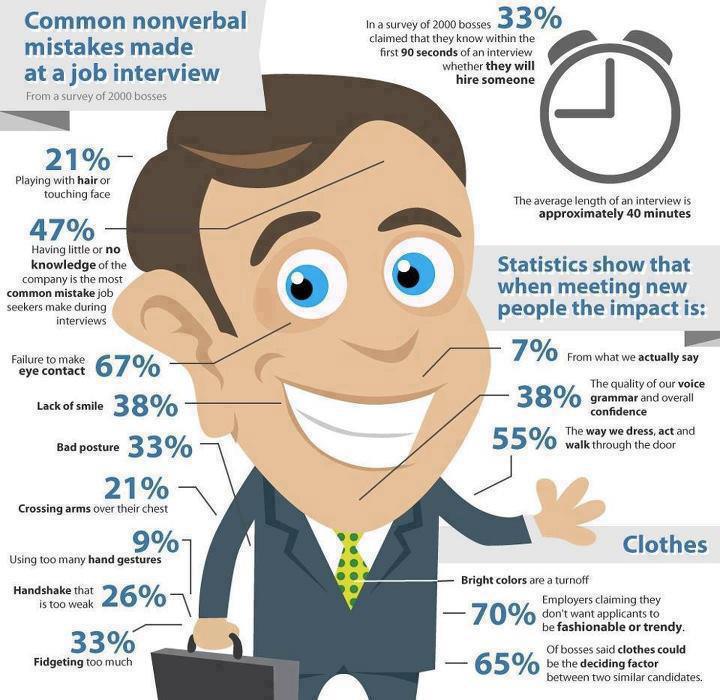
  • Be yourself, dress well, have a strong shake hands, try to smile, make eye contact with all in the room, avoid bad posture, listen and in the end summarize all the points of the interview. I normally forget words in English when I am nervous. So calm down!!!
  • As I mentioned on the post about job hunting , research about the company that you applied, during the interview that may ask why did you apply for this position? or Why this company?
  • Know very well your resume, I normally bring with me a copy of my resume, and slightly look to make sure that the chronological order of my employer are right (it is good to keep a great relationship with your previous manager, because 100% sure, you will need their reference check. Keep the track of their contact information as well).
  • Questions asked will typically be: What would you do if you had a conflict with a co-worker? How did you solved it? What would you do if is 4 pm and you are asked to do an activity that will be demanded to finish? What did you like/hate the most in previous job? How do you see yourself in 5 Years? Why should I hire you? Do you have any question?